How to Seal Gaps to Stop Mice: A Homeowner's Guide to Rodent Exclusion
Understanding the Mouse Problem
If you have ever dealt with a mice infestation, you know the frustration. The scratching in the walls at night, the droppings on the kitchen counter, the gnawed corners of a cereal box. Mice are not just a nuisance; they bring disease and cause damage. The most effective approach is not poison or traps alone, though those have their place. The real solution is prevention. And the core of prevention is learning how to seal gaps to stop mice from ever entering your home.
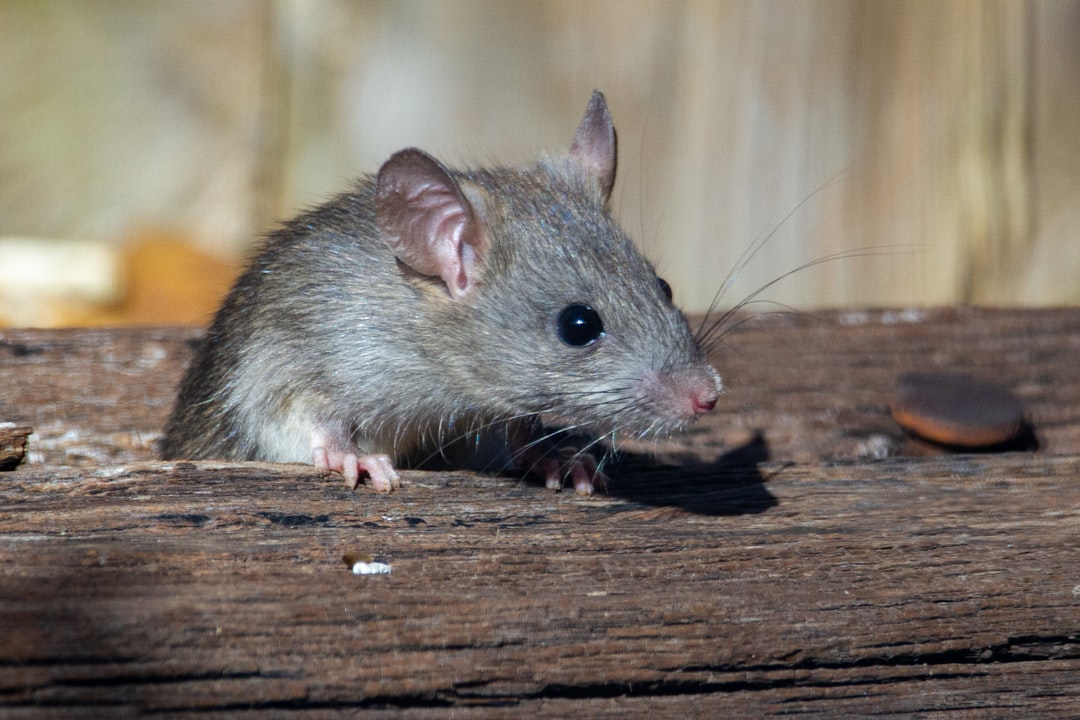
Mice can squeeze through openings the size of a dime. That is smaller than most people realize. A gap under a door, a crack in the foundation, a hole where a pipe enters the wall - these are all potential entry points. The goal of rodent exclusion is to identify and close every last one of them. It takes patience, the right materials, and a systematic approach. But it is the only way to break the cycle of trapping and baiting that never quite ends.
Why Trapping Alone Falls Short
Many homeowners rely solely on snap traps or glue boards. These methods kill individual mice, but they do not address the root cause. New mice will keep coming as long as there is a way in. In Cleveland, TN, where Hiwassee Pest Control operates, the terrain and climate create ideal conditions for rodents. Warm attics, cool crawlspaces, and abundant food sources make homes attractive. Trapping can reduce a population, but without sealing entry points, you will be fighting a constant battle. That is where structural repairs and a comprehensive prevention plan come in.
Identifying Entry Points
Before you can seal anything, you have to find the gaps. Start with a thorough inspection of the exterior. Look around the foundation for cracks or holes. Check where utility lines, cables, and pipes enter the house. Examine the roofline, soffits, and vents. Indoors, inspect behind appliances, in cabinets, around baseboards, and in the attic. Mice travel along walls and edges, so pay attention to corners and junctions.
Common entry points include gaps around windows and doors, openings where siding meets the foundation, uncapped vents, and damaged weatherstripping. Even a small gap under a garage door can be an invitation. Once you have a list of potential entry points, you can begin the process of rodent-proofing your home.
Materials That Work
Not every sealant or filler is equal when it comes to stopping mice. They can gnaw through soft materials like plastic, rubber, and even some foams. You need a combination of toughness and flexibility. Here are the key products to use:
- Steel wool: Mice cannot chew through it. Crumble it into small gaps and cracks as a first line of defense.
- Copper mesh: Similar to steel wool but does not rust. Useful for larger holes and areas exposed to moisture.
- Hardware cloth: A heavy-duty metal mesh that can cover vents, soffits, and large openings. Cut it to size and secure it with screws or staples.
- Polyurethane foam: Great Stuff is a common brand. It expands to fill gaps and hardens. But mice can chew through it, so it must be combined with a barrier like steel wool or copper mesh.
- Silicone caulk: Flexible and waterproof. Good for sealing small cracks around windows, pipes, and baseboards.
- Weatherstripping: Installed around doors and windows to close gaps that mice could squeeze through.
For each gap, choose the right combination. A small crack might only need silicone caulk. A dime-sized hole near the foundation might require steel wool pushed in first, then covered with polyurethane foam or caulk. A larger opening around a pipe might need copper mesh and hardware cloth. The idea is to create a barrier that is physically impossible for a mouse to breach.
Step-by-Step Sealing Process
To seal gaps to stop mice effectively, follow a methodical process. Start with the most obvious openings and work your way through the house. Do not rush. A missed gap can undo all your work.
First, clean the area around each gap. Remove dirt, old sealant, or debris. This helps the new sealant adhere. For gaps in the foundation, use a wire brush to clean the surface. For holes in wood, trim away splintered edges.
Second, insert a filler material. For small holes, cram steel wool or copper mesh into the opening. Make sure it is packed tightly but not so tight that it prevents the sealant from bonding. For larger holes, cut a piece of hardware cloth to size and attach it with screws or staples, leaving a slight overlap.
Third, apply the sealant. Use polyurethane foam for larger gaps and irregular shapes. Shake the can well, attach the nozzle, and fill the gap about one-third full. The foam will expand. For smaller gaps, use silicone caulk applied with a caulking gun. Smooth it with a wet finger or a tool. Let everything cure according to the manufacturer's instructions.
Fourth, inspect your work. After the sealant dries, check for any missed spots. Pay attention to areas where different materials meet, like where a pipe goes through a wall. These are common failure points.
Integrated Pest Management and Long-Term Prevention
Rodent exclusion is part of a larger strategy called integrated pest management, or IPM. This approach combines prevention, monitoring, and control methods. It emphasizes the least toxic solutions first. Sealing entry points is the prevention step. Next comes monitoring, which involves placing traps in key areas to catch any rodents that might have been trapped inside during the sealing process. Finally, if a population is established, professional intervention may be needed.
In Cleveland, TN, Hiwassee Pest Control offers services that include trapping, entry point identification, and structural repairs. Their approach aligns with IPM principles. They also provide a service guarantee, which means if the mice return, they will address it. But the best outcome is that you seal gaps to stop mice before they ever become a problem.
Common Mistakes to Avoid
Even with good intentions, homeowners make errors. One common mistake is using only polyurethane foam without a physical barrier. Mice can chew through foam in minutes. Always pair it with steel wool or copper mesh for any gap larger than a pencil width.
Another mistake is ignoring the attic and crawlspace. These areas are prime entry points because they are often unfinished and full of gaps. Check around vents, chimneys, and roof penetrations. Also, do not forget the garage. Many people seal the house but leave the garage door open or unsealed, giving mice a route into the house through the interior door.
A third mistake is using materials that degrade over time. Caulk can crack, foam can shrink, and weatherstripping can peel. Use high-quality products and inspect your seals annually. Replace anything that looks worn or damaged.

When to Call a Professional
Some jobs are too big or too dangerous for a homeowner. For example, sealing gaps in a high roof or around electrical panels requires expertise and safety equipment. If you have a persistent infestation that you cannot control, or if you find evidence of extensive damage, it is time to call a pest control company. They have the tools and experience to do a thorough job.
Hiwassee Pest Control in Cleveland, TN, specializes in these kinds of structural repairs and rodent-proofing. They can identify entry points you might miss and seal them with commercial-grade materials. Their service includes a full inspection, trapping if needed, and a plan to prevent future problems. That kind of integrated approach gives peace of mind.
Final Thoughts
Rodent exclusion is not glamorous work, but it is effective. Taking the time to inspect your home, choose the right materials, and seal every gap pays off in the long run. You save money on repairs, avoid health risks, and stop the stress of living with unwanted guests. Whether you do it yourself or hire a professional, the principle is the same: find the gaps and close them. That is the only way to truly seal gaps to stop mice.